
Introduction
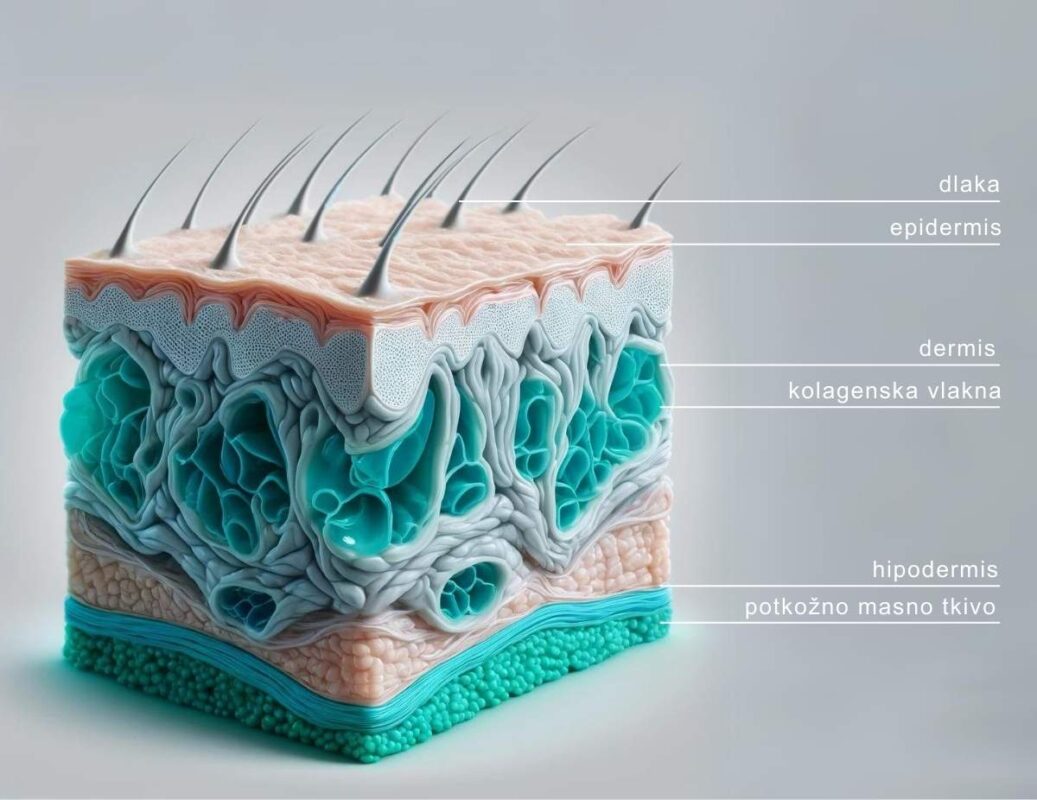
Collagen is one of the most important proteins in the human body and a key factor for the health and appearance of the skin. It forms the basic structure of the skin, as well as connective tissue, tendons, and joints. Thanks to collagen, the skin remains firm, elastic, and resilient to external factors.
As we age, natural collagen production decreases, leading to the appearance of wrinkles, sagging skin, and loss of tone. This process is inevitable, but it can be significantly slowed with proper habits and natural methods.
In this guide, we will explain what collagen is, how it affects the body and skin, and how to naturally preserve and stimulate its production.
What is Collagen
Collagen is a protein that makes up about 30% of the total protein in the body. Its primary function is to provide structure and strength to tissues.
It is found in:
- skin
- bones
- muscles
- tendons
- blood vessels
There are several types of collagen, but types I and III are the most important for the skin.
Role of Collagen in the Skin
Collagen acts as a “framework” that keeps the skin firm and taut.
Its main functions are:
- maintaining elasticity
- preventing skin sagging
- reducing the appearance of wrinkles
- supporting regeneration
When collagen levels decrease, the skin becomes thinner, drier, and less elastic.
Collagen and the Aging Process
As early as age 25, collagen production begins to decline.
Consequences include:
- the appearance of fine lines and wrinkles
- loss of facial volume
- sagging skin
- reduced hydration
This process is further accelerated by external factors.
Factors that Reduce Collagen
The main factors that negatively affect collagen include:
- sun exposure (UV radiation)
- smoking
- stress
- poor nutrition
- dehydration
- lack of sleep
Reducing these factors is essential for maintaining healthy skin.
Natural Stimulation of Collagen
Proper Nutrition
A nutrient-rich diet supports collagen production.
Important foods:
- proteins (meat, fish, eggs)
- fruits and vegetables rich in vitamin C
- nuts and seeds
- healthy fats
Vitamin C is especially important because it participates in collagen synthesis.
Hydration
Adequate water intake helps maintain skin structure and supports metabolic processes.
Physical Activity
Exercise improves circulation, which enhances skin nourishment and collagen stimulation.
Massage and Skin Stimulation
Massage increases blood flow and can promote collagen production.
Effects:
- better regeneration
- firmer skin
- natural lifting effect
Thermal Treatments
Heat stimulates fibroblasts—the cells that produce collagen.
Collagen and Body Appearance
Collagen is important not only for the face but for the entire body.
Its influence includes:
- firmness of body skin
- reduction of sagging
- improved connective tissue structure
- decreased appearance of cellulite
Collagen Supplements
Collagen can also be taken through dietary supplements.
Benefits:
- support for skin health
- improved elasticity
- stronger hair and nails
It is important to choose quality products and use them alongside a proper diet.
Collagen and Skin Hydration
Collagen helps retain moisture in the skin, contributing to:
- smoothness
- softness
- healthy appearance
Combining hydration with collagen yields the best results.
Collagen and Aging Prevention
While aging cannot be stopped, it can be slowed by:
- proper skincare
- a healthy lifestyle
- sun protection
- regular skin stimulation
These habits help preserve a youthful appearance.
Common Mistakes
- neglecting sun protection
- poor nutrition
- insufficient hydration
- inconsistent skincare
- expecting immediate results
Collagen regenerates gradually, so consistency is key.
Psychological Aspect
Healthy, well-cared-for skin impacts self-confidence and overall satisfaction.
People who care for their skin often experience:
- better mood
- increased self-confidence
- a sense of control over their body
Long-Term Collagen Maintenance
To preserve collagen, it is important to:
- regularly consume nutrient-rich foods
- maintain hydration
- avoid harmful habits
- care for the skin
These habits ensure long-term results.
Conclusion
Collagen is a key factor for the health and appearance of the skin and body. Its role in maintaining firmness, elasticity, and hydration makes it an indispensable element in preserving a youthful look.
Although its production naturally decreases with age, proper habits, nutrition, hydration, and skin stimulation can significantly slow this process. Long-term results come through consistency and a balanced approach to body care.
Ultimately, investing in collagen preservation is not only an aesthetic concern, but also an investment in health and quality of life.