
Introduction
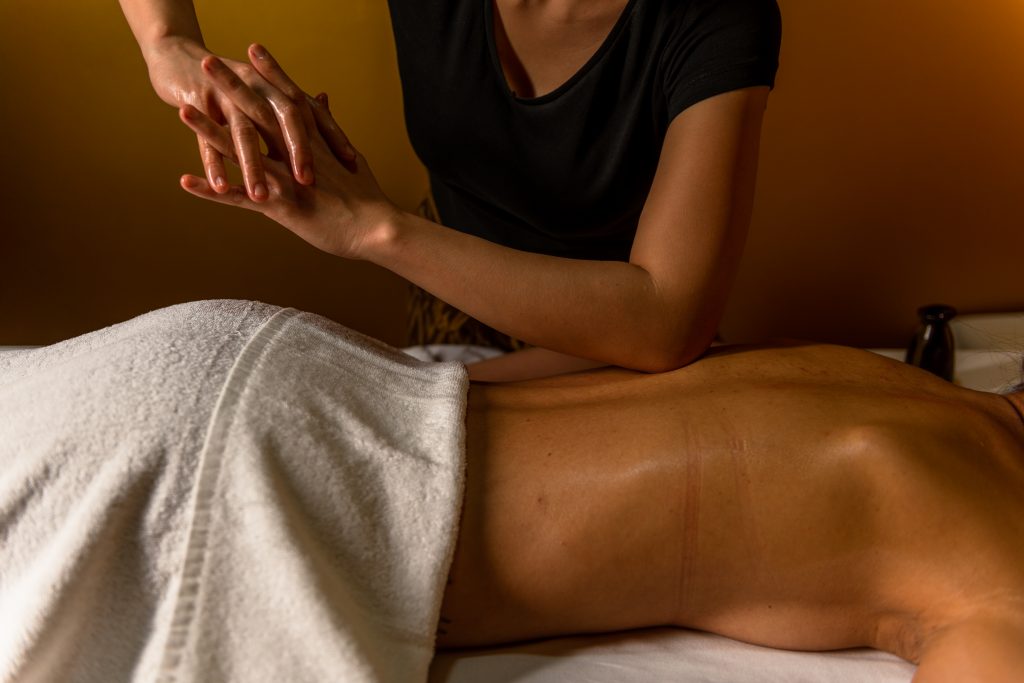
Thai massage is an ancient method of caring for the body and mind, originating in Thailand over 2,500 years ago. It combines elements of stretching, pressure on the body’s energy lines, and yoga-like movements, providing deep relaxation and improving flexibility. Unlike classic massage, Thai massage does not use oils and is usually performed over light clothing.
This guide explains the Thai massage process in detail, its benefits, treatment frequency, home care tips, and expected results.
Why Thai Massage is Important
Thai massage offers a unique combination of physical therapy and relaxation:
- Releases tension in muscles and joints
- Improves blood and lymph circulation
- Increases body flexibility
- Promotes energy balance and mental relaxation
- Reduces stress and tension
For individuals with sedentary or physically demanding lifestyles, Thai massage is ideal for maintaining the body in optimal condition.
Core Techniques of Thai Massage
1. Stretching
- Passive yoga-like poses performed with the therapist’s assistance
- Improves joint mobility and muscle flexibility
- Reduces tension in the back, shoulders, and legs
2. Pressure on Energy Lines
- Therapist uses palms, elbows, knees, and feet
- Stimulates so-called “sen” lines running through the body
- Balances energy flow and removes blockages
3. Rhythmic Movements and Full-Body Massage
- Combination of tapping, pressing, and rotation
- Enhances circulation and muscle tone
- Contributes to a deep sense of relaxation
Thai Massage Procedure
- Client Assessment – analyzing body condition, tension, and problem areas
- Preparation – comfortable position on a massage table or mat, light clothing
- Massage Sequence – stretches, pressure, tapping, and joint massage
- Final Stage – relaxation, light massage, and tips for maintaining flexibility
A session typically lasts 60–90 minutes, depending on client needs.
Benefits of Thai Massage
- Deep muscle relaxation and pain relief
- Improved flexibility and body mobility
- Stimulation of blood and lymph circulation
- Release from stress and tension
- Energy balancing and mood improvement
Regular sessions make the body more flexible, energized, and resilient to daily stress.
Treatment Frequency
- People with low flexibility or tight muscles – 1–2 times per week
- Preventive massage and maintenance – once a month
- Professional athletes – as needed, integrated with training
Proper frequency ensures long-lasting benefits and improves overall body condition.
Home Care Tips
- Light daily stretching
- Adequate hydration
- Correct posture during sitting and work
- Rest and relaxation after physical or mental exertion
These tips prolong the effects of Thai massage and keep the body balanced.
Psychological Effects of Thai Massage
- Reduces stress and anxiety
- Promotes a sense of inner harmony and energy
- Increases self-confidence and mental clarity
- Enhances mind-body connection
Thai massage benefits both physical and mental well-being, providing a sense of complete relaxation.
Trends in Thai Massage
- Combination with aromatherapy and mild oils
- Personalized sessions based on client needs and goals
- Integration with wellness and SPA programs
- Focus on injury prevention and muscle recovery
Trends favor adaptable, safe, and deeply relaxing treatments.
Conclusion
Thai massage is a unique method combining stretching, pressure, and stimulation of the body’s energy lines, delivering physical and mental benefits. Professional sessions improve flexibility, reduce tension, enhance circulation, and promote relaxation.
Regular Thai massage, combined with home care and flexibility maintenance, ensures long-lasting results, a more energized body, and improved mental state. Thai massage is an investment in health, balance, and overall well-being of body and mind.