Introduction
Men’s haircuts today are not just a routine barber service, but a key part of personal style, confidence, and hair health. A proper haircut helps shape the face, maintain hair strength, and makes daily styling easier. The modern hair industry offers a variety of styles, techniques, and treatments suitable for different hair types and face shapes.
In this guide, we will explain in detail everything men need to know about haircuts: types of hairstyles, choosing a style, cutting techniques, frequency of barber visits, and tips for home maintenance.
Why proper haircuts are important
A proper haircut provides more benefits than just an aesthetic effect. It:
- maintains hair and scalp health
- helps shape the face and proportions
- makes daily hair styling easier
- prevents damage and split ends
- boosts confidence and professional appearance
Regular haircuts are especially important for men with fast-growing hair, layered styles, and hairstyles requiring defined lines.
Types of men’s hairstyles
Classic haircut
The classic men’s haircut is simple and elegant. It usually includes shorter sides and a slightly longer top. The advantage of a classic cut is its versatility and easy maintenance. This style suits all occasions—both business and casual.
Fade or gradual transition
A fade haircut involves gradually shortening the hair on the sides and back of the head while leaving the top longer. There are several types of fades:
- low fade – starts low, near the ears
- mid fade – starts in the middle
- high fade – starts high, almost at the crown
Fade is modern and gives a neat, sophisticated look.
Textured hairstyle
Textured hairstyles include different layers and cuts that add volume and movement to the hair. This style is ideal for men who want a natural yet styled look.
Longer hairstyles
Longer hairstyles allow more flexibility in styling, including side styles, back layers, and waves. These styles require more maintenance but offer a unique look and creative styling possibilities.
How to choose a hairstyle
Choosing a hairstyle depends on several factors:
Face shape
- oval face – almost all hairstyles suit
- round face – styles with volume on top recommended
- square face – softer lines and layers are better
- rectangular face – avoid too much height on top
Hair type
- straight hair – easier to style, ideal for fades and textures
- wavy hair – looks good in layered styles
- curly hair – requires proper shaping and care
Lifestyle
A fast-paced lifestyle requires low-maintenance hairstyles, while a freer approach allows for creative and longer styles.
Cutting techniques
Professional haircuts involve several techniques:
Scissors and comb
The most classic technique allowing precise shaping and length control. Ideal for layered and longer styles.
Fade clipper
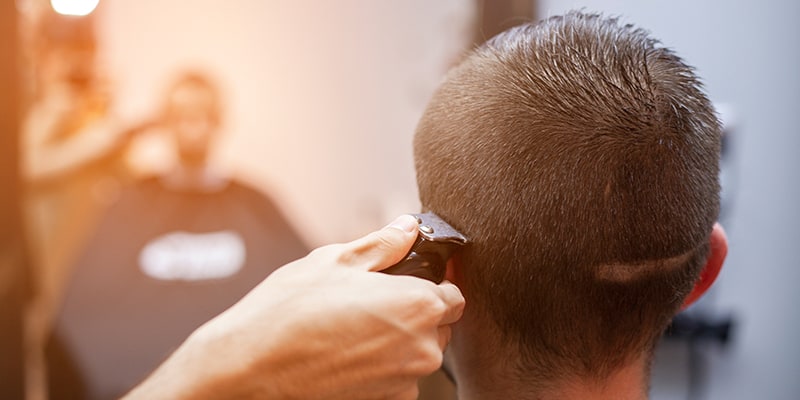
Used for fade hairstyles and precise lines. Different attachments allow gradual hair shortening.
Texturizing and thinning
Texturizing scissors add volume, while thinning scissors remove excess density, making hair easier to style.
Razor cutting
Razor technique gives softer lines and a more natural look. Ideal for wavy and longer hairstyles.
Haircut frequency
- short hair: every 2–4 weeks
- medium length: every 4–6 weeks
- long hair: every 6–8 weeks
Regular haircuts help maintain shape and hair health, prevent split ends, and make styling easier.
Preparing hair for a haircut
A professional barber usually:
- analyzes hair type and scalp
- washes hair with shampoo and conditioner suitable for the hair type
- performs scalp massage to stimulate circulation
- chooses a hairstyle based on preferences and face shape
Washing and massaging before a haircut improve the barber’s work and prepare hair for precise styling.
Home maintenance tips
- use shampoo and conditioner suitable for your hair type
- comb hair regularly but gently
- use styling products according to the hairstyle
- avoid excessive heat from hair dryers or straighteners
- visit the barber regularly
These tips prolong hairstyle appearance and hair health.
Psychological effect
A good haircut has a strong impact on confidence. Regular haircuts and professional care:
- increase self-confidence
- improve first impressions
- contribute to a professional appearance
- make daily styling easier
Trends in men’s haircuts
Modern men’s haircuts follow several main trends:
- natural hair texture
- combination of fade and longer styles
- precise, defined lines
- styled but understated look
Trends constantly change, but the focus remains on combining practicality and aesthetics.
Conclusion
Men’s haircuts are more than routine hair shortening. They include analyzing hair type and face shape, proper washing, style selection, and precise cutting. Regular haircuts and home care ensure hair health, easier maintenance, and a modern, neat appearance.
A professional barber’s approach combined with proper home care provides long-term results and improves overall appearance and confidence. Hair is not just an aesthetic element but also a part of personal style and self-care.