
Introduction
Facial skin is the most exposed part of the body and is constantly affected by various external factors such as pollution, UV radiation, weather conditions, and stress. For this reason, it requires special attention and proper care.
Regardless of age or skin type, a proper skincare routine is essential for maintaining a healthy appearance, preventing problems, and slowing down the aging process. Skincare is not just an aesthetic habit, but an important part of overall health care.
In this guide, we will explain in detail how to properly care for your skin, the basic steps of a skincare routine, and how to choose products that suit your skin type.
Why Facial Care Is Important
The skin has a protective function and represents the body’s first line of defense. When properly cared for, it:
- retains moisture
- protects against bacteria
- ages more slowly
- looks healthy and fresh
Neglecting skincare can lead to:
- acne
- dryness
- premature wrinkles
- uneven skin tone
That’s why regular care is key to long-term skin health.
Skin Types
The first step in proper skincare is identifying your skin type.
Normal Skin
This type is balanced:
- neither too dry nor too oily
- pores are barely visible
- problems are rare
Dry Skin
Characterized by:
- tightness
- flaking
- lack of moisture
It requires intensive hydration.
Oily Skin
Produces excess sebum:
- shiny surface
- enlarged pores
- prone to acne
It requires sebum control and proper cleansing.
Combination Skin
The most common type:
- oily T-zone
- dry cheeks
Care must be adapted to different areas.
Sensitive Skin
Reacts to:
- products
- weather conditions
- stress
Requires gentle and carefully selected products.
Basic Steps of Facial Care
A proper skincare routine consists of several key steps.
Cleansing
The most important step.
Removes:
- impurities
- makeup
- excess sebum
Recommended twice daily.
Toning
Toner helps to:
- balance skin pH
- tighten pores
- prepare skin for further care
Hydration
Essential for all skin types.
Helps with:
- maintaining elasticity
- preventing wrinkles
- keeping a healthy appearance
Protection
Sun protection is necessary.
UV rays cause:
- premature aging
- pigmentation
- skin damage
Using SPF products is mandatory year-round.
Additional Treatments
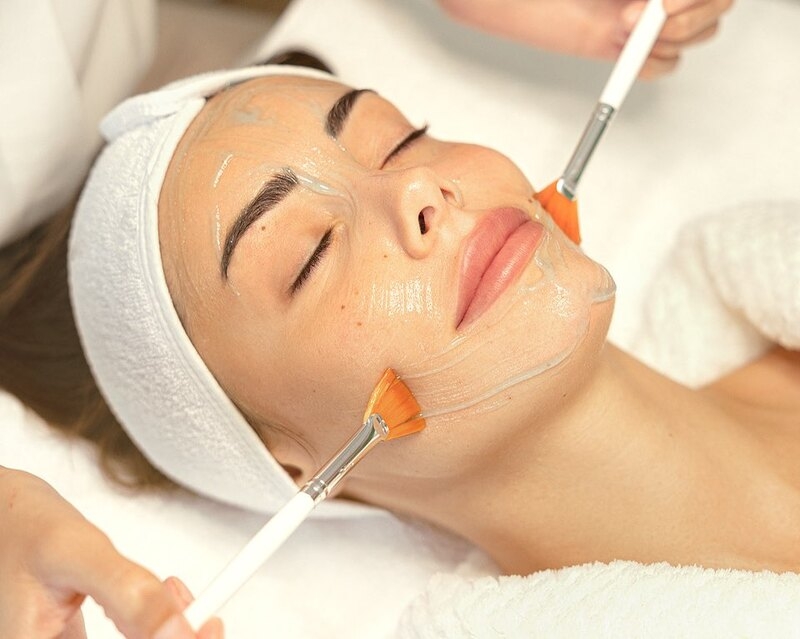
In addition to the basic routine, there are treatments that improve skin condition.
Exfoliation
Removes dead skin cells.
Results:
- smoother skin
- better product absorption
- fresh appearance
Done 1–2 times per week.
Face Masks
Provide extra care.
Types include:
- hydrating
- purifying
- anti-aging
Chosen based on skin needs.
Serums
Highly concentrated products targeting specific concerns:
- wrinkles
- pigmentation
- dehydration
Common Skin Problems
Acne
Caused by:
- excess sebum
- bacteria
- hormonal changes
Solution includes proper cleansing and suitable products.
Dryness
Lack of moisture leads to:
- flaking
- tightness
- irritation
Requires intensive hydration.
Pigmentation
Caused by:
- sun exposure
- hormones
- skin damage
Requires special treatments and UV protection.
Wrinkles
A natural part of aging, but can be reduced with proper care.
How to Choose Products
When selecting products, it’s important to:
- know your skin type
- read ingredients
- avoid harsh substances
- choose quality products
An individual approach is key.
Common Skincare Mistakes
- skipping cleansing
- using the wrong products
- over-exfoliating
- neglecting SPF protection
These mistakes can worsen skin condition.
Impact of Diet and Lifestyle
Skin reflects overall health.
Important habits include:
- drinking enough water
- eating a balanced diet
- getting enough sleep
- reducing stress
These directly affect skin appearance.
Professional Treatments
In addition to home care, professional treatments can significantly improve skin condition.
They include:
- deep cleansing
- hydration
- regeneration
A combination of home and professional care yields the best results.
Psychological Aspect of Skincare
Skincare is not just physical.
It contributes to:
- self-confidence
- a sense of satisfaction
- improved mood
Time dedicated to self-care has a positive impact on overall well-being.
Conclusion
Facial care is a process that requires consistency, the right products, and an understanding of your own skin. With basic steps and additional treatments, it is possible to achieve healthy, radiant, and well-cared-for skin.
Ultimately, skincare is not a luxury, but a necessity and an investment in long-term health and appearance.