Hijama, also known as cupping therapy, is one of the oldest traditional therapeutic practices, used in various cultures for thousands of years. Today, many people choose Hijama as a natural complement to a healthy lifestyle, seeking relaxation, relief from everyday tension, and support for their overall sense of well-being and vitality.
At our salon, every Hijama treatment is performed under strict hygiene standards using sterile, single-use instruments and an individualized approach for every client. Before each appointment, we conduct a consultation to discuss your medical history and determine whether the treatment is appropriate for you.
What Is Hijama?
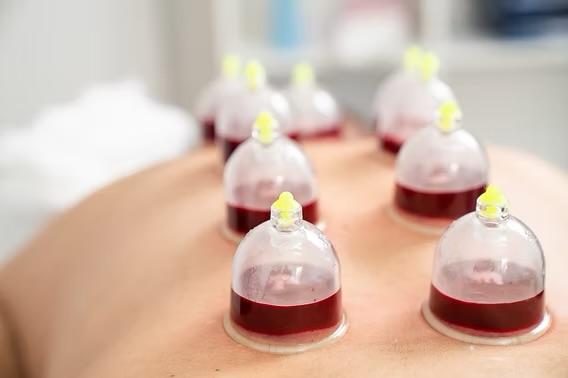
Hijama is a traditional wellness therapy that involves placing specially designed vacuum cups on selected areas of the body. The word Hijama comes from the Arabic word “Al-Hajm,” meaning suction.
There are two main types of Hijama:
Dry Cupping
Dry cupping involves the application of suction cups without making any superficial skin incisions.
The purpose of this treatment is to stimulate the skin and underlying tissues, encourage local circulation, and promote deep relaxation.
Wet Cupping
Wet cupping begins with the application of suction cups, followed by very small superficial skin incisions made with sterile disposable instruments. The cups are then reapplied to complete the procedure.
This treatment is performed only under strict hygiene protocols using professional sterile equipment.
The History of Hijama
Hijama has been practiced for centuries across numerous civilizations, including Ancient Egypt, Greece, China, and the Middle East.
Over time, different cupping techniques evolved, and today Hijama is widely used as a complementary wellness therapy chosen by many people to promote relaxation and support overall well-being.
Within Islamic tradition, Hijama holds special significance, as it is mentioned in authentic Hadiths as a practice recommended by the Prophet Muhammad (peace be upon him).
What Happens During the Treatment?
Before your treatment begins, we discuss your health history, current medications, and the reasons for seeking Hijama therapy.
Based on this consultation, appropriate treatment points are selected, most commonly on the back, shoulders, neck, or other areas depending on your individual needs.
The session typically lasts 30 to 45 minutes and is performed using sterile, single-use instruments in a safe and controlled environment.
After the treatment, you will receive personalized aftercare instructions regarding skin care, hydration, and recommended activities for the following days.
Why Do People Choose Hijama?
People choose Hijama for many different personal reasons.
Many clients report feeling:
- More relaxed
- Physically refreshed
- Lighter and less tense
- Relieved from everyday stress
- More energetic
- Better both physically and mentally
Hijama is often incorporated into a healthy lifestyle alongside proper nutrition, regular physical activity, quality sleep, and stress management.
It is important to note that Hijama is a complementary wellness therapy and is not intended to replace medical diagnosis, treatment, or professional healthcare.
Hijama for Muscle Tension
People who spend long hours sitting at a desk, working on computers, or performing physically demanding jobs frequently experience tightness in the neck, shoulders, and back.
Many clients choose Hijama as part of their personal relaxation and recovery routine to help ease feelings of muscular tension.
Hijama for Athletes
Professional athletes and fitness enthusiasts around the world often include Hijama in their post-workout recovery routines.
Many choose cupping therapy as a complement to massage therapy, stretching, proper nutrition, and other recovery techniques to promote relaxation after intense physical activity.
How Often Should You Have Hijama?
The ideal treatment schedule depends on your personal goals and individual circumstances.
Some clients choose periodic treatments as part of their wellness routine, while others receive personalized recommendations following an individual consultation.
Our experienced practitioners will recommend the treatment frequency that best suits your needs.
Is Hijama Painful?
Most clients describe the treatment as very tolerable.
During the application of the cups, you may feel gentle pressure and suction on the skin. In wet cupping, the superficial skin incisions are extremely small and generally well tolerated.
Individual experiences vary, but most clients complete the treatment comfortably.
Recovery After Hijama
After treatment, circular marks or mild bruising may appear where the cups were placed. These are temporary and usually fade naturally over several days.
Following wet cupping, the superficial skin incisions typically heal within seven to ten days without leaving permanent scars when proper aftercare instructions are followed.
Who Should Avoid Hijama?
For safety reasons, Hijama is not suitable for everyone.
Please inform us before booking your appointment if you:
- Take blood-thinning medications
- Have bleeding or clotting disorders
- Have a fever or active infection
- Have recently undergone an organ transplant
- Are pregnant
- Are breastfeeding
- Have significant anemia
- Have serious chronic medical conditions
When appropriate, we may recommend consulting your physician before scheduling a treatment.
How Should You Prepare for Hijama?
For the most comfortable experience, we recommend that you:
- Arrive well rested
- Drink plenty of water beforehand
- Avoid arriving on a completely empty stomach or immediately after a heavy meal
- Wear comfortable clothing
- Follow your practitioner’s aftercare recommendations
Why Choose Our Salon?
Our Hijama treatments are performed by trained professionals who place the highest priority on hygiene, safety, and personalized client care.
We use only sterile, single-use equipment and maintain strict professional hygiene standards to ensure every treatment is safe, comfortable, and professionally performed.
Our goal is to provide a relaxing experience while offering clear information, individualized guidance, and comprehensive support before and after your appointment.
Frequently Asked Questions
How long does the treatment take?
Most Hijama sessions last between 30 and 45 minutes.
Will the treatment leave scars?
When performed correctly, the superficial incisions typically heal without permanent scarring.
Can I return to my normal daily activities afterward?
Yes. Most clients resume their normal activities immediately after treatment, although strenuous physical exercise should generally be avoided for the remainder of the day.
Is Hijama a substitute for medical treatment?
No. Hijama is considered a complementary wellness therapy and should never replace medical examinations, diagnosis, or treatment recommended by a qualified healthcare professional.
Professional Hijama Therapy in Sarajevo
If you would like to experience one of the world’s oldest traditional wellness practices as part of your healthy lifestyle, visit our salon in Sarajevo.
Our experienced practitioners provide professional, hygienic, and personalized Hijama treatments in a safe, comfortable, and welcoming environment.
Book your appointment today and discover why Hijama continues to be valued by people around the world as part of a holistic approach to relaxation, well-being, and overall vitality.
If you are interested in our treatments in Sarajevo, contact us and book your appointment.