
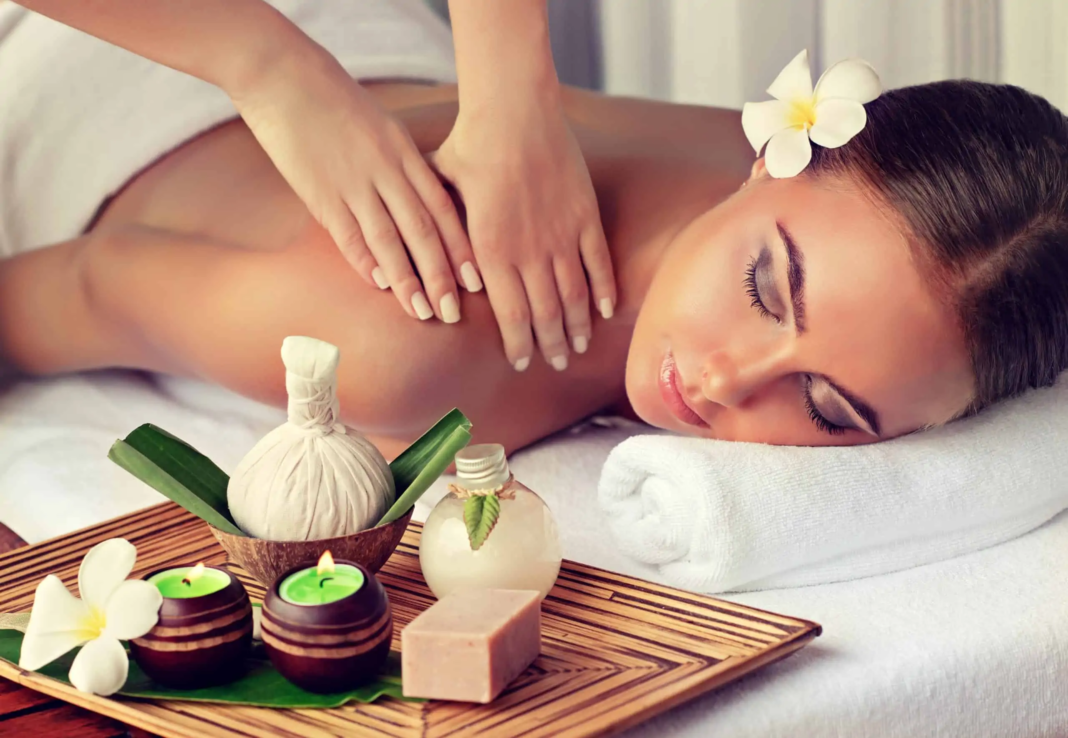
Massage is much more than just touch. Massage dates back to the times of Ancient Rome and Greek culture, with a tendency for people to be increasingly aware of its role in human health. Today, with the aim of a healthy lifestyle, massage treatments are increasingly in demand.
The pace of life we live, the amount of stress that becomes an inevitable part of everyday life, the dose of tension that we no longer even register, lead to muscle tension and constant changes in physical health. Therefore, we can act preventively with relaxing massage treatments.
The frequency of massage treatments relieves muscle tension and allows for continuous work of the cardiovascular system, relaxes the nervous system and stimulates the work of internal organs.
Massage releases negative energy, relieves fatigue and provides a normal flow of oxygen and nutrients to every cell of the human body. Massage also stimulates the work of internal organs, including the work of the digestive tract, and has an effect on the psyche and insomnia!
The treatments reduce pain, most often in the neck, back and head, which is often felt through a number of other sensations, causing great discomfort, and leading many of us to misunderstand that these are much more serious problems.
Massage is also used as part of physical therapy and as part of the rehabilitation process. Medical physiotherapy massage can be partial for 20-30 minutes or a full body massage for 45-60 minutes.
With massage, this natural unique technique, we bring the body into natural balance!
The demand and popularity of therapeutic massage as a treatment approach is growing day by day. Previously, this treatment approach was considered an alternative, however, as the benefits of massage in treatment have proven to be of high quality, today it has become widely accepted by the general public.
What is even more important to highlight is the fact that today massage therapy is considered one of the main approaches to treating various conditions of the body. Massage therapy includes various practical techniques to increase circulation, relieve tension, reduce stress, alleviate anxiety, improve sleep, and promote relaxation throughout the body, as well as many other benefits. Soft tissue areas of the body include muscles, tendons, connective tissue, etc. In cases where a person feels tightness, or has suffered damage to muscle and/or nerve tissue due to an injury – massage therapy can be of great help.
Massage – the benefits of massage therapy
1) Massage is general.
When the body is tense and stressed, it produces higher amounts of the stress hormone called cortisol, which can lead to unwanted weight gain, insomnia, digestive problems, and headaches. Massage therapy has been shown to significantly reduce the level of cortisol secreted in the body.
Massage allows the body to enter a recovery phase. Moreover, this form of therapy also induces a lasting sense of relaxation, improves mood, and reduces stress levels.
2) Massage reduces stress.
Not only can massage therapy help reduce stress, but regular massage therapy over a long period of time can significantly increase energy levels, reduce pain, and stimulate individuals physically and emotionally.
3) Massage reduces blood pressure.
Regular massage therapy has been found to lower blood pressure. In fact, some long-term studies have shown that regular massage therapy can reduce both systolic (top) and diastolic (bottom) blood pressure.
In addition, massage therapy can help reduce feelings of anxiety, restlessness, and depression. On the other hand, lowering high blood pressure can reduce the risk of heart attack and stroke, kidney failure, and many other health problems.
4) Massage relaxes muscles.
The primary purpose of massage therapy is to target the source of pain in the body and relieve muscle tension, increase flexibility, and relax the muscles and the body as a whole. Massage also improves circulation in affected or injured muscles, which increases the flow of nutrients and oxygen to damaged tissue. In turn, this increased activity in the affected areas reduces stiffness and swelling in the muscles and joints, and increases flexibility (movement) in the joints.
Massage as a form of therapy also releases endorphins (pain-relieving hormones), which increase dopamine and serotonin levels in the body. These hormones help the body in a number of ways – physically and emotionally. Specifically, dopamine and serotonin encourage faster recovery of the body and mind, help with pain, contribute to the feeling of euphoria, calm the nerves and fig.
5) Massage improves circulation.
The long-term benefits of massage therapy should not be underestimated. Improved circulation is part of the effect of strong blood flow to all organs and occurs as a result of regular massage treatment. Proper circulation contributes to a better blood supply to stiff and tense muscles, which in this way recover faster.
6) Massage improves posture.
Many people experience back, neck and muscle pain for various reasons. However, the root cause of this pain is poor posture. Chronic back pain, a leading cause of absenteeism and the second leading cause of disability, is often the result of improper or poor posture while sitting and/or standing. Furthermore, being overweight, poor posture, and repetitive movements can contribute to back strain and other potential problems. As a result, the added strain often causes cramps, pain, and tight muscles in the hips, glutes, back, neck, and legs.
Massage therapy can help to bring the body back into proper alignment. In fact, improving posture can be one of the most beneficial aspects of massage therapy. Massage allows the body to relax and loosen muscles that are tense due to poor posture. In turn, this helps the body to position itself in a better, more natural position. All of this together leads to the body being brought into a healthier position and correcting movements that have caused certain pain.
7) Massage strengthens the immune system.
Regular massage therapy provides various benefits to the human body. It is a well-known fact that individuals who are under stress are more vulnerable to illness and injury. The combination of stress, lack of sleep, and poor nutrition leads to a decline in an individual’s immune system. The body’s ability to naturally protect itself from infections, pathogens, and bacteria is greatly reduced.
The question arises: how does massage affect the immune system?
Numerous studies to date have shown that regular massage therapy not only helps reduce stress, but also enhances the cytostatic capacity of the immune system (the level of activity of natural cells that protect the body), and increases the body’s ability to absorb sufficient nutrients. Moreover, massage therapy can be an excellent addition to any exercise program. In the same way that regular exercise keeps the body healthy, regular massage therapy can help keep the immune system strong and resilient.
Massage therapy includes hands-on techniques to increase circulation, relieve anxiety, improve sleep, promote relaxation throughout the body, and many other health benefits.
If you are interested in our treatments in Sarajevo, contact us and book your appointment.