Introduction
Stress is an integral part of modern life. Short-term stress can be motivating and helps the body respond to challenges, but chronic stress has serious effects on overall health. In addition to affecting mood and energy, stress directly impacts the condition of the skin and body.
The connection between stress, skin, and physical health is often overlooked, even though it can cause acne, eczema, rashes, hair loss, digestive issues, and increased body weight. Understanding this impact and applying methods to reduce it is essential for maintaining health and beauty.
This guide will explain in detail how stress affects the body and skin, what the consequences are, and how to naturally mitigate its negative effects.
How Stress Affects the Body
Stress triggers the so-called “fight or flight” response, which includes:
- increased levels of cortisol and adrenaline
- accelerated heart rate
- elevated blood pressure
- release of glucose into the blood
Short-term stress is normal, but chronic stress keeps these reactions active longer than necessary, leading to physical strain and imbalance in the body.
Impact of Stress on the Skin
The skin is directly affected by stress because cortisol:
- increases sebum production, which can lead to acne
- weakens the skin’s natural barrier
- slows regeneration and wound healing
- can trigger rashes, eczema, or psoriasis
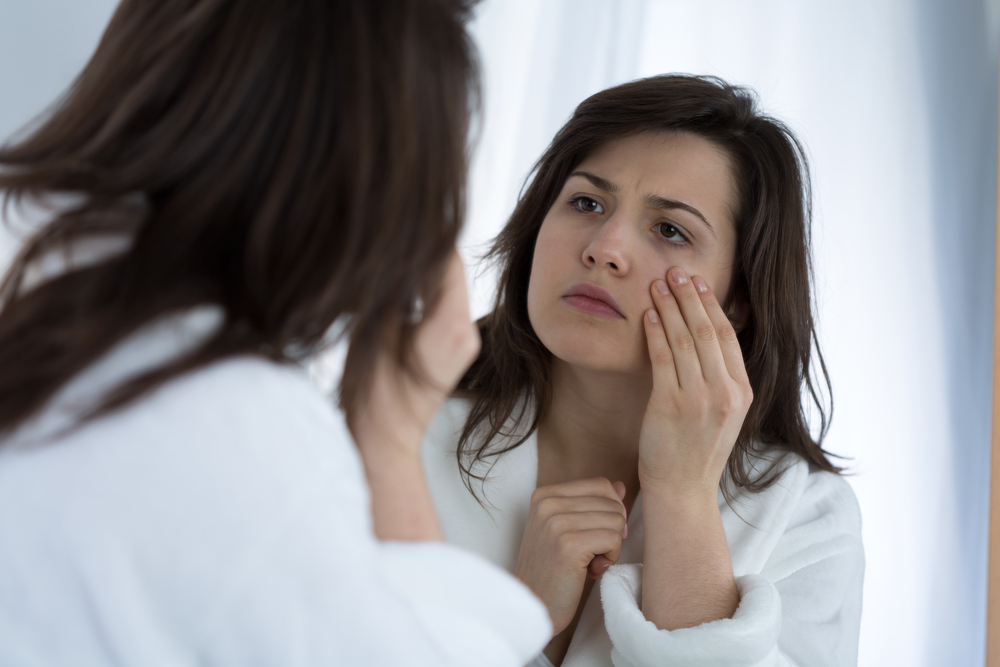
People under chronic stress often have a tired, dull, and lifeless complexion.
Stress and Skin Aging
Chronic stress accelerates the skin aging process:
- reduces collagen production
- causes loss of elasticity
- increases the visibility of wrinkles and fine lines
This explains why people under constant stress may appear older than their age.
Impact of Stress on Physical Health
Besides the skin, stress affects the entire body:
- digestive system: bloating, diarrhea, constipation
- cardiovascular system: high blood pressure
- hormonal balance: increased cortisol levels and slowed metabolism
- immune system: reduced defense against infections
All of this demonstrates how stress can be a serious factor in overall health.
Symptoms of Stress
Common physical and skin-related stress symptoms include:
- muscle tension
- headaches
- fatigue and insomnia
- acne and rashes
- hair loss
- weight gain
- bloating and digestive issues
Psychological symptoms include:
- irritability
- anxiety
- depression
- feeling overwhelmed
Natural Methods to Reduce Stress
Physical Activity
Regular movement lowers cortisol levels and increases endorphin production.
Recommended activities:
- walking
- light aerobic exercise
- yoga
- pilates
Breathing Techniques and Meditation
Deep breathing and meditation help calm the nervous system.
Effects:
- lower blood pressure
- reduced muscle tension
- improved focus and mental clarity
Hydration and Proper Nutrition
Foods rich in vitamins, minerals, and antioxidants strengthen the body and skin.
Recommended foods:
- fruits and vegetables
- whole grains
- nuts
- fish and healthy fats
Adequate Sleep
Quality sleep is key for recovery of the body and skin.
- adults need 7–8 hours of sleep
- lack of sleep increases stress and cortisol impact
Massage and Lymphatic Drainage
Massage helps reduce muscle tension, improves circulation, and relieves stress. Lymphatic treatments support toxin elimination from the body.
Natural Supplements and Herbal Teas
Herbal teas like chamomile, mint, or green tea can help reduce tension and improve general well-being.
Stress and Aesthetics
People under constant stress often notice:
- pale or gray complexion
- increased skin dryness
- rapid aging and loss of elasticity
- slower healing of acne and wounds
Skin care combined with stress reduction techniques provides the best results.
Psychological Effects
Reducing stress is not only a physical process – it improves mood, focus, and sense of well-being. Regular practice of relaxation techniques contributes to long-term harmony of body and mind.
Stress Prevention
Key strategies include developing habits that reduce stress pressure:
- planning time and rest
- balancing work and personal life
- regular movement and recreation
- proper nutrition and hydration
- quality sleep
These habits help maintain energy, health, and youthful appearance.
When to Consult a Professional
If stress becomes chronic and affects daily life, it is necessary to consult a professional:
- psychologist
- nutritionist
- physician
Early recognition allows more effective management.
Conclusion
Stress has a profound and multifaceted impact on the body and skin. Chronic stress can lead to wrinkles, tired complexion, acne, bloating, fatigue, and reduced immunity. Although it is impossible to completely avoid, proper habits, physical activity, relaxation techniques, healthy nutrition, and quality sleep can significantly reduce stress’s negative effects.
The goal is to achieve balance in life – physically, mentally, and emotionally. This approach not only improves skin appearance and overall health but also enhances general well-being and vitality.
If you are interested in our treatments in Sarajevo, contact us and book your appointment.