Introduction
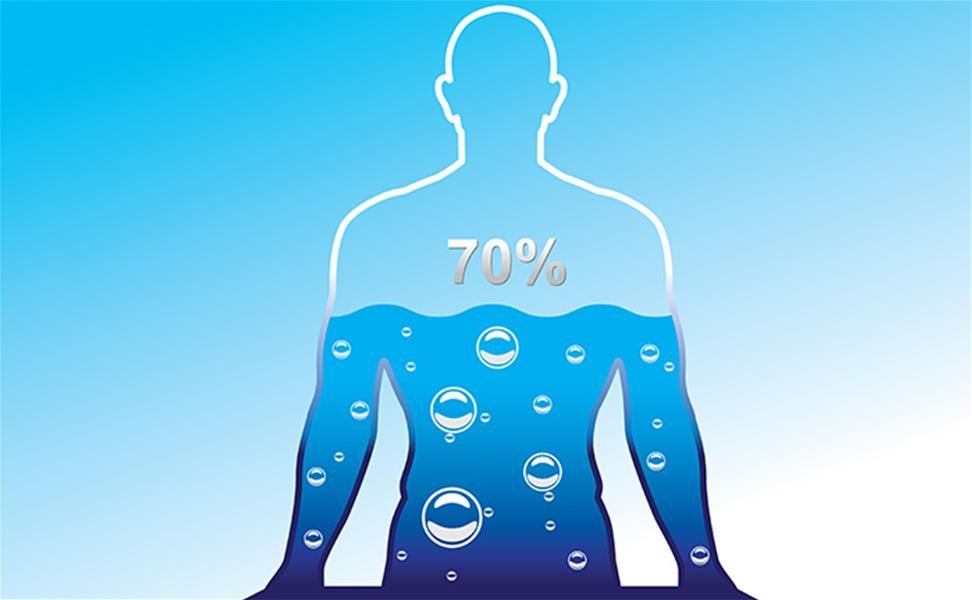
Water retention in the body, also known as fluid retention, is a common problem that affects many people. Although it is often seen as an aesthetic issue due to swelling and increased body volume, it can also indicate certain imbalances in the body.
People experiencing this problem often notice a feeling of heaviness, bloating, swelling of the legs and arms, as well as changes in the skin. While in most cases it is not a serious health issue, prolonged fluid retention can affect quality of life.
This guide explains what causes water retention, how to recognize its symptoms, and the most effective natural methods for reducing it.
What Is Water Retention
Water retention occurs when excess fluid accumulates in tissues instead of being properly excreted from the body.
This process can affect various parts of the body:
- Legs and feet
- Arms
- Abdomen
- Face
The result is swelling and increased volume in certain areas.
How Fluid Balance Works
The body constantly maintains a balance between fluid intake and excretion. This process involves:
- Lymphatic system
- Blood circulation
- Kidneys
- Hormones
When there is a disruption in this system, fluid is retained in the tissues.
Most Common Causes of Water Retention
Poor Nutrition
Excessive salt intake is one of the main causes of water retention.
Salt retains water in the body, leading to swelling.
Lack of Physical Activity
Prolonged sitting or standing slows circulation and lymph flow.
Result:
- Fluid accumulation in the legs
- Feeling of heaviness
Hormonal Changes
Hormones have a significant impact on fluid balance, especially in women.
Water retention is often associated with:
- Menstrual cycle
- Pregnancy
- Hormonal imbalance
Insufficient Water Intake
Paradoxically, drinking too little water can lead to its retention.
The body then “stores” fluid to prevent dehydration.
Stress
Increased stress levels affect hormones and can cause fluid retention.
Symptoms of Water Retention
The most common symptoms include:
- Swelling of legs, arms, or face
- Feeling of heaviness in the body
- Bloating
- Tight skin
- Weight gain without an obvious reason
These symptoms can vary in intensity.
How to Recognize the Problem
One way to identify water retention is by gently pressing the skin.
If an indentation remains and slowly returns, it indicates fluid retention.
Natural Ways to Address the Problem
Increase Water Intake
Regular hydration helps the body eliminate excess fluid.
Recommendation:
- Drink enough water throughout the day
Reduce Salt Intake
Reducing salt directly affects water retention.
It is recommended to:
- Avoid processed foods
- Use natural spices
Physical Activity
Movement stimulates circulation and lymph flow.
Recommended activities:
- Walking
- Light exercises
- Stretching
Elevate the Legs
Raising the legs above heart level helps reduce swelling.
This method is especially useful after prolonged standing or sitting.
Natural Diuretics
Certain foods help eliminate excess fluid.
These include:
- Cucumber
- Watermelon
- Green tea
Massage and Lymph Stimulation
Gentle massage can help activate the lymphatic system and reduce swelling.
Role of the Lymphatic System
The lymphatic system plays a key role in removing excess fluid.
When it is slow:
- Swelling occurs
- Toxins accumulate
Therefore, stimulating it is important for addressing the problem.
Water Retention and Nutrition
A diet rich in fresh foods can help regulate fluids.
It is recommended to include:
- Fruits and vegetables
- Fiber
- Proteins
Avoid:
- Excess salt
- Fast food
- Carbonated drinks
When to Consult a Specialist
Although water retention is often harmless, in some cases it may indicate a more serious problem.
Consult a specialist if:
- Swelling persists for a long time
- Pain occurs
- Swelling is sudden and pronounced
Common Mistakes
- Insufficient water intake
- Excessive salt in the diet
- Prolonged sitting
- Ignoring symptoms
These mistakes can worsen the condition.
Psychological Aspect
Water retention can affect self-confidence and body image.
People often feel:
- Discomfort
- Dissatisfaction with appearance
- Low energy
Addressing the problem contributes to overall well-being.
Prevention
Prevention is key to avoiding this problem.
It is important to:
- Move regularly
- Eat properly
- Stay hydrated
- Reduce stress
These habits help maintain balance in the body.
Conclusion
Water retention in the body is a common problem that can have various causes, from lifestyle to hormonal changes. Although it is often not serious, it can significantly affect how the body feels and looks.
The good news is that with proper habits and natural methods, this problem can be successfully managed. A combination of hydration, proper nutrition, physical activity, and lymphatic stimulation provides the best results.
Ultimately, taking care of the body and its needs is key to maintaining balance, health, and a feeling of lightness.
If you are interested in our treatments in Sarajevo, contact us and book your appointment.