Introduction
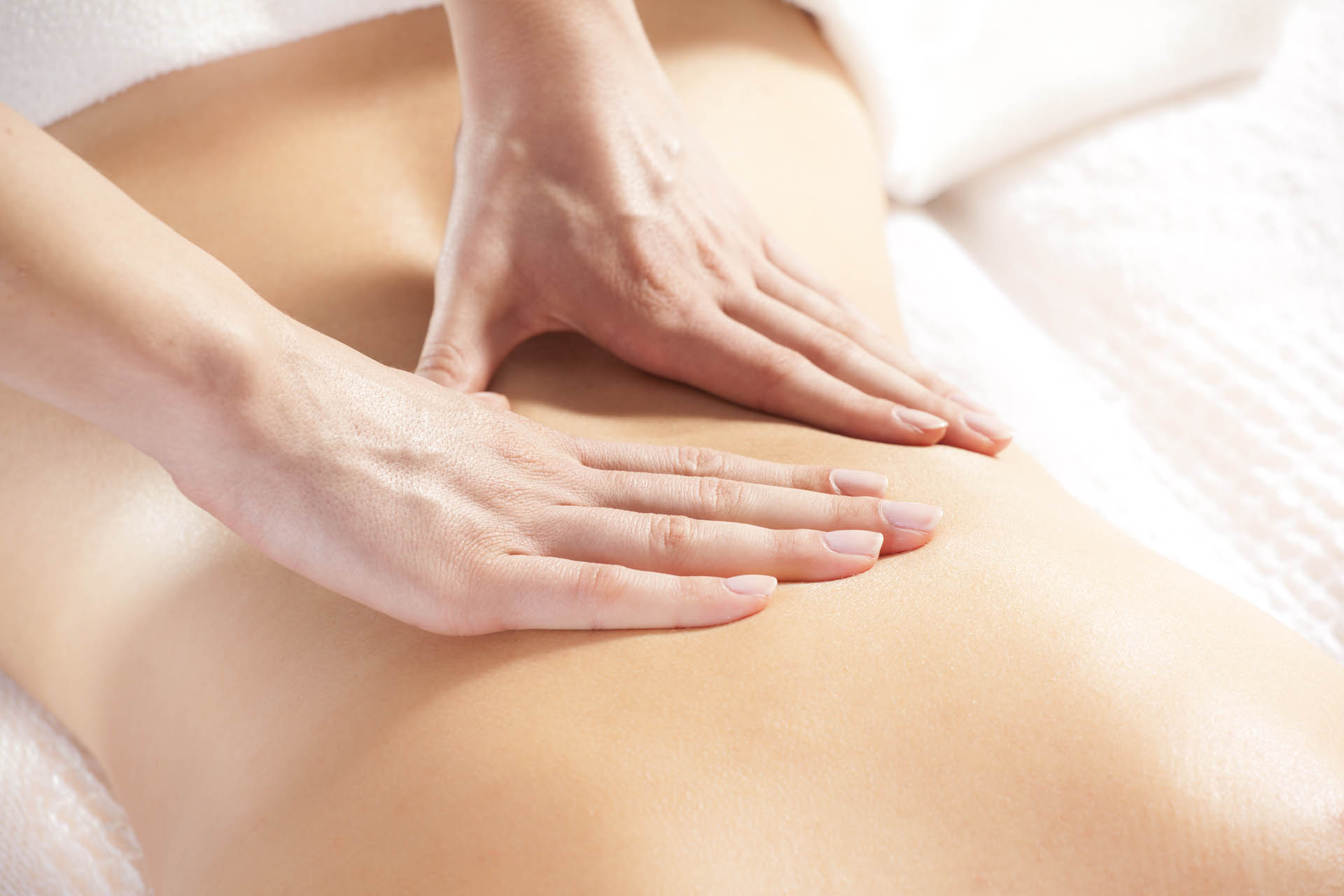
Body massage is an ancient practice used for thousands of years to relax, improve circulation, and relieve muscle pain. Today, massage is not only a means of relaxation but also a key part of preventive body care and overall health.
Regardless of lifestyle, regular massage contributes to better muscle function, reduced tension, and an improved overall sense of well-being. Beyond its physical effects, massage also has a significant impact on mental health by reducing stress and anxiety.
This guide will explain different massage techniques, their benefits, and tips on how to get the most out of each session.
What Is Body Massage
Massage is the manipulation of the body’s soft tissues through various movements and pressures. The goals of massage include stimulating circulation, relaxing muscles, reducing tension, and improving lymphatic flow.
In addition, massage contributes to:
- relieving tension and stress
- improving flexibility
- reducing pain and cramps
- aiding recovery after physical exertion
Types of Body Massage
Classic Massage
The most well-known technique, using:
- long strokes
- muscle kneading
- circular movements
Benefits:
- muscle relaxation
- improved circulation
- reduced tension
Sports Massage
Designed for athletes and active individuals. Focuses on:
- preparing muscles before exercise
- recovery after physical activity
- injury prevention
Effects:
- speeds up recovery
- reduces cramps
- improves flexibility
Anti-Cellulite Massage
A targeted technique for problem areas. Benefits:
- reduces visible cellulite
- improves skin tone
- stimulates the lymphatic system
Aromatherapy Massage
Combines massage with essential oils. Effects:
- relaxation
- stress reduction
- improved mood
Lymphatic Drainage
A gentle massage that stimulates lymph flow and toxin elimination. Results:
- reduced swelling
- improved circulation
- a feeling of lightness
Benefits of Body Massage
Regular massage offers numerous advantages:
- improves circulation and lymph flow
- reduces muscle tension
- relieves back and neck pain
- improves skin tone
- reduces stress and anxiety
- supports recovery after physical activity
Massage and Stress
Massage has a strong psychological effect. During treatment, stress hormone levels (cortisol) decrease while serotonin and dopamine levels increase, promoting relaxation and well-being.
Massage and Circulation
Massage movements stimulate blood flow, leading to:
- better tissue nutrition
- faster toxin removal
- reduced fluid retention
Improved circulation contributes to healthier-looking skin and faster body recovery.
Preparation for Massage
To maximize effectiveness:
- stay hydrated before the session
- avoid heavy meals immediately before treatment
- wear comfortable clothing
- inform the therapist of any health issues
Home Massage vs. Professional Massage
Professional massage provides:
- precise techniques
- individualized movements
- focus on specific issues
Home massage can be relaxing but rarely achieves the same results as a session with a professional.
Duration and Frequency
Optimal session length: 30–60 minutes, depending on technique and client needs.
Recommended frequency:
- preventive: 1–2 times per week
- for specific issues: 2–3 times per week
Consistency is key for long-term effects.
Who Can Receive Massage
Massage is suitable for most people, except those with certain medical contraindications. Extra caution is needed for individuals with:
- heart conditions
- thrombosis
- inflammatory conditions
- fever or illness
Professional consultation is always recommended.
Massage and Anti-Cellulite Treatments
Combining massage with anti-cellulite treatments yields the best results:
- lymphatic drainage removes excess fluid
- wood therapy (maderotherapy) breaks down fat deposits
- classic massage improves circulation
This synergy results in smoother skin and better tone.
Psychological Aspect
Massage also benefits mental health. Beyond reducing stress, it enhances concentration, mood, and overall satisfaction.
Common Mistakes
- incorrect massage technique
- applying too much or too little pressure
- inconsistent sessions
- neglecting hydration and diet
These mistakes can reduce effectiveness and cause unwanted side effects.
Tips for Maximum Results
- combine techniques according to needs
- stay hydrated before and after sessions
- maintain a regular routine
- pair massage with a healthy lifestyle
Conclusion
Body massage is not just a luxury or aesthetic treatment. It plays a vital role in maintaining physical and mental health. Regular sessions can achieve:
- improved circulation
- reduced tension
- healthier-looking skin
- a sense of relaxation and well-being
Ultimately, massage is an investment in both body and mind, contributing to better quality of life and long-term health.
If you are interested in our treatments in Sarajevo, contact us and book your appointment.